


 IND
IND

.svg)
.svg)
.svg)
.svg)
.svg)
.svg)
.svg)


.svg)

.svg)


© 2025 Excelsior Technologies.
.webp)
.webp)












SEO
How to Use RSS Feeds to Boost Your Website's SEO
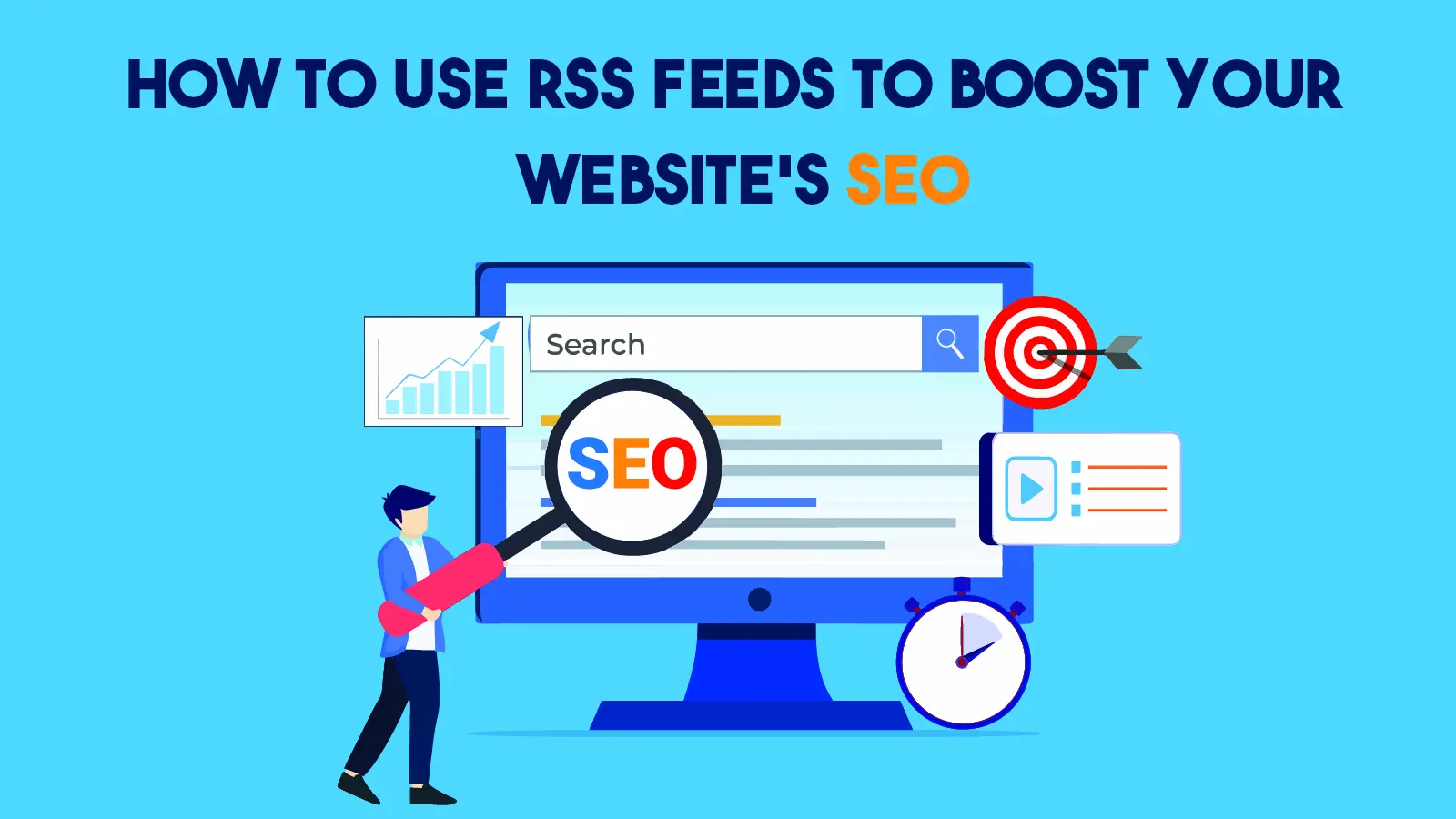
In the ever-evolving world of digital marketing, SEO remains a cornerstone of a successful online strategy. Search engines are continually refining their algorithms, making it crucial for websites to employ effective tactics to maintain and improve their search rankings. One often-overlooked tool in the SEO toolkit is the RSS feed. Although RSS (Really Simple Syndication) feeds are typically associated with content aggregation and distribution, they can also play a pivotal role in enhancing your website’s SEO. In this comprehensive guide, we’ll explore how RSS feeds work, their benefits, and practical strategies for leveraging them to boost your SEO efforts.
1. Understanding RSS Feeds
What is an RSS Feed?
RSS feeds are XML-based files that allow users to receive updates from websites without having to visit them directly. They provide a standardized format for delivering frequently updated content, such as blog posts, news articles, or podcasts. When a website publishes new content, the RSS feed automatically updates, ensuring that subscribers receive the latest information promptly.
How RSS Feeds Work
RSS feeds work by aggregating content from various sources into a single, easily accessible format. Users can subscribe to RSS feeds through RSS readers or feed aggregators, which pull in updates from multiple websites. For website owners, providing an RSS feed allows visitors to stay informed about new content and facilitates content distribution across other platforms.
2. The SEO Benefits of RSS Feeds
Enhanced Visibility and Reach
RSS feeds can increase your website’s visibility by making your content accessible to a broader audience. When users subscribe to your RSS feed, they receive updates directly, potentially increasing traffic to your site. Moreover, RSS feeds can be picked up by other websites and aggregators, further amplifying your content’s reach.
Increased Backlinks
When other websites or blogs pick up your RSS feed content, they often include links back to your site. These backlinks are valuable for SEO, as they signal to search engines that your content is authoritative and worth referencing. High-quality backlinks from reputable sites can significantly enhance your website’s search engine rankings.
Improved Indexing
Search engines use bots to crawl and index websites. Providing an RSS feed can facilitate this process, as it helps search engine bots discover and index your content more efficiently. Regular updates via RSS feeds ensure that your new content is quickly recognized and indexed by search engines, potentially leading to faster ranking improvements.
Increased User Engagement
RSS feeds offer a convenient way for users to stay updated with your content. By subscribing to your feed, users are more likely to engage with your website regularly. Increased engagement, such as frequent visits and interactions, can positively influence your website’s SEO performance, as search engines consider user behavior when ranking sites.
Content Syndication Opportunities
RSS feeds enable content syndication, where your content can be republished on other sites or platforms. Syndicating your content can lead to increased exposure and traffic, as well as additional backlinks. However, it’s essential to ensure that syndicated content includes proper attribution and links back to your original site to avoid duplicate content issues.
3. Implementing RSS Feeds for SEO
Setting Up an RSS Feed
To leverage RSS feeds for SEO, start by setting up an RSS feed for your website. Most CMS platforms like WordPress automatically generate RSS feeds, making setup straightforward. If your CMS doesn’t support RSS natively, you might need to manually configure or use plugins to create a feed. Ensure the feed includes your latest content updates to keep subscribers informed and engaged.
Optimizing Your RSS Feed
Optimize your RSS feed by ensuring it has a clear structure with essential metadata, such as titles, descriptions, and publication dates. Decide whether to include full content or excerpts, as full content provides a better user experience, while excerpts can drive more traffic to your site. Adding relevant tags and categories helps improve content organization and discoverability for both users and search engines.
Promoting Your RSS Feed
Promote your RSS feed by placing subscription links prominently on your website, such as in the header or footer. Share your feed on social media to reach a broader audience and encourage subscriptions. Additionally, submit your feed to popular aggregators and directories to increase visibility and drive additional traffic to your site.
Monitoring and Analyzing RSS Feed Performance
Regularly monitor your RSS feed’s performance by tracking subscription metrics and analyzing user engagement. Use web analytics tools to evaluate how RSS feed traffic compares to other sources. Based on this data, adjust your feed and content strategies to optimize performance and enhance its impact on your SEO efforts.

Harnessing the power of RSS feeds can be a game-changer for SEO—amplify your content's reach and keep your audience engaged with minimal effort.
Conclusion
RSS feeds are a powerful yet underutilized tool for boosting your website’s SEO. By enhancing visibility, increasing backlinks, improving indexing, and driving user engagement, RSS feeds can contribute significantly to your overall SEO strategy. Implementing and optimizing your RSS feed, promoting it effectively, and monitoring its performance are essential steps in leveraging this tool to its fullest potential. As you integrate RSS feeds into your SEO efforts, you’ll be well-positioned to enhance your website’s search engine rankings and achieve greater online success.
 By: Admin

Looking to talk about your Project? Contact us now!
At Excelsior Technologies, we are passionate about developing innovative IT software solutions that make a real difference to our customers.We believe that latest technology not only holds superior edge to solve problems for long term but also provides benefit to humanity.
Contact Details:


Social Media:


Check Out Our Services:
- Software Development
- Mobile Development
- Web Development
- Graphic Designing
- Digital Marketing
- UI/UX Design
- Print Media
- Webflow Development
- Game Development
- AI & ML Development
- CRM Development
Business Process:
Technologies:


.svg)
.svg)
.svg)


