




In 30 seconds
- In India, UPI and cards through a payment gateway cover most customers; in Canada, cards and Interac do.
- The hard parts are not the button: failed payments, refunds, reconciliation and recurring payments are.
- App stores require their own billing for digital goods sold inside apps; physical goods and real-world services can use your own gateway.
Payments are where an app or website either earns its keep or quietly loses orders. A booking that fails at the last step is worse than one never started: the customer did everything right, and still left.
The payment button is the easy part. Failed payments, refunds and reconciliation are where the work is.
One payment, from tap to reconciled
How it works
One payment, from tap to reconciled
The steps, in words
- The customer chooses how to pay: UPI, card or wallet; Interac in Canada.
- The gateway takes the payment: Card details never touch your servers.
- Your system hears back: Paid, failed or pending, confirmed by the gateway.
- The order is confirmed: Receipt sent, stock reserved, team notified.
- The money is reconciled: Each settlement matched to its orders, automatically.
What customers expect, by country
Choosing a gateway
The methods you need
UPI, cards, wallets or Interac: check every method your customers use.
Fees and settlement
Per-transaction fees, and how many days until money reaches your account.
Refunds
Full and partial refunds from your own admin panel, not the gateway’s website.
Recurring payments
Subscriptions and mandates, if you bill every month.
Security
Card details handled by the gateway, never stored by you.
A good API
Server notifications, a test mode and clear documentation.
The parts people forget
App stores have their own rules
If your app sells digital goods or content used inside the app, such as subscriptions or premium features, Apple and Google generally require their own in-app billing, with their own fees. Physical goods and real-world services, such as a food order or a clinic booking, can use your own payment gateway. Check the current rules for your app and region before you design the checkout.
In practice
A food order, end to end
Say a restaurant app takes an order for ₹640.
- The customer taps UPI and approves the payment in their UPI app.
- The gateway tells the server that the payment is captured; the browser is not trusted to say so.
- The kitchen gets the order, the customer gets a receipt, and a rider is assigned.
- Next morning, the settlement is matched to that order automatically, with any gateway fee shown beside it.
We have built this
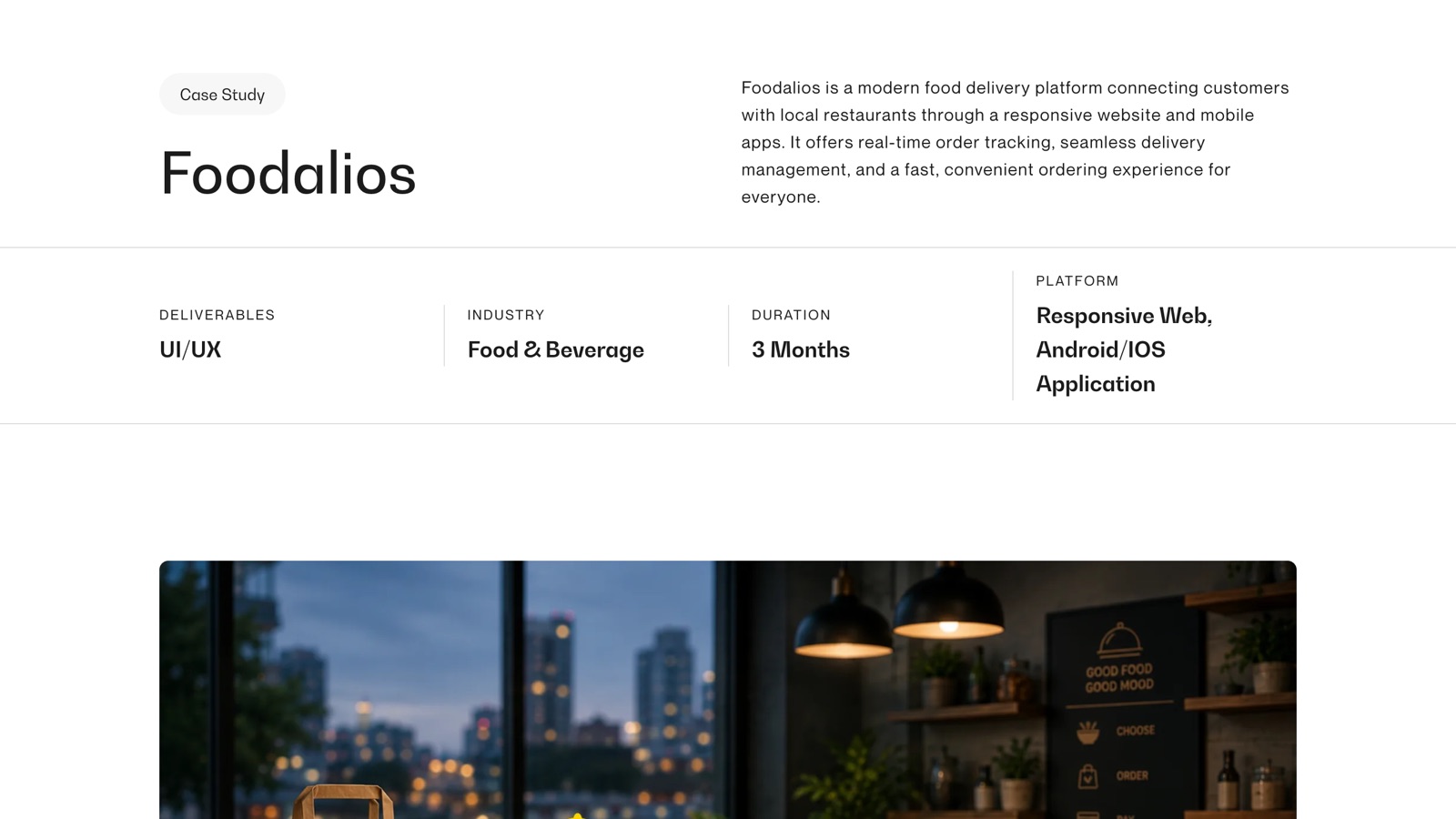
Foodalios: ordering, tracking and secure payments
Foodalios connects customers with local restaurants. We designed and built all of it: the customer app, the delivery-partner app, the admin panel and the website, with fast ordering, real-time tracking and secure payments at checkout.
Frequently asked questions
Which payment gateway should we use?
It depends on your methods, volumes and countries. Compare fees, settlement time, refund tools and the API. Our free app cost estimate covers the payment setup for your case.
Do we need PCI compliance?
If card details go straight to the gateway, through its hosted or embedded checkout, most of that burden stays with the gateway. Storing card numbers yourself is rarely worth it.
Can we take payments in both India and Canada?
Yes, usually with a gateway for each country, or one that supports both, and prices shown in each currency.
How long does it take to add payments?
For a standard checkout, it is a small part of a project. Subscriptions, marketplaces with split payments and reconciliation add more.
Want this for your business?
Ask ET on our website, or book a free 30-minute call with a project lead, not a salesperson.

